There are few places that let you stand still and feel the Earth breathing around you. Bhandardara is one of those places. Tucked into the folds of the Western Ghats in Maharashtra, this destination isn’t just about picturesque scenery or weekend escape plans. It’s about the kind of contact with nature that makes you forget you ever needed Wi-Fi to feel connected.
If you’re looking for a thorough, honest companion to help you understand what this trek offers, and what it demands, this guide is for you. It isn’t just about maps and routes. It’s about presence. Because the Bhandardara camp trek isn’t something you tick off a list. It’s something you absorb.
Why Bhandardara?
Bhandardara is a village near the Igatpuri region in the Ahmednagar district of Maharashtra. It’s nestled along the banks of the Pravara River, surrounded by forested mountains, ancient forts, hidden waterfalls, and one of the most quietly stunning lakes you’ll ever see: Arthur Lake.
What makes it special is not just the landscape, but how unpretentious it is. This isn’t a commercial hill station. You won’t find overpriced cafes or themed resorts. What you will find are unpaved roads, unpredictable monsoon skies, and silence so complete it makes your own thoughts feel louder. That’s part of the beauty.
The Trekking Experience: It Begins Before the First Step
Most treks are described by their incline or altitude. But Bhandardara shifts your rhythm before you even hit the trail. The drive itself, especially if you’re arriving from Mumbai or Pune, starts changing your internal tempo. As the traffic thins and the hills rise, your shoulders start to drop. You look up more often. You breathe a little deeper.
When you finally get to the village, you’re greeted by a cluster of humble homes, scattered shops, and the constant chorus of nature: birdsong, rustling leaves, water from unseen streams.
This is where the trek begins.
What You See Along the Way
Every part of the Bhandardara camp trek feels like a conversation between land and sky. Depending on the season and the route you choose — Ratangad, Sandhan Valley, or the lake-facing trails — you’ll come across different terrains and moods. But certain things show up again and again, like a language the land speaks fluently.
Arthur Lake
Wide, calm, and reflective. This lake doesn’t shout for attention, but it holds it easily. Watching the sky turn orange over its surface feels like watching a painting being created in real-time. And if you’re camping along its banks, it becomes your morning mirror.
Amruteshwar Temple
Built in the 9th century, this ancient Shiva temple isn’t just a photo stop. It’s an example of how deeply human history and geography are entwined here. Carved in black stone, surrounded by wild greenery, it feels out of time. Like something left behind on purpose.
The Forest Canopy
Trekking through Bhandardara isn’t just about open views. Some of the most intimate moments happen under tree cover. Walking through dense thickets, where sunlight filters through like a slow-moving dance, you start to notice things: the sudden quiet when the wind drops. The way a single birdcall echoes.
The Forts and the Valleys
If you’re up for longer, more demanding treks, Ratangad and Sandhan Valley will test you. Ratangad offers panoramic views, wildflowers, and ruins that whisper stories. Sandhan Valley, on the other hand, demands focus. It’s steep, rocky, sometimes claustrophobic, and completely worth it. It’s not for first-timers, but it rewards anyone willing to sweat and climb with a sense of true accomplishment.
Camping by the Lake: The Soul of the Experience
If the trek is the heartbeat of Bhandardara, then the camp is its soul.
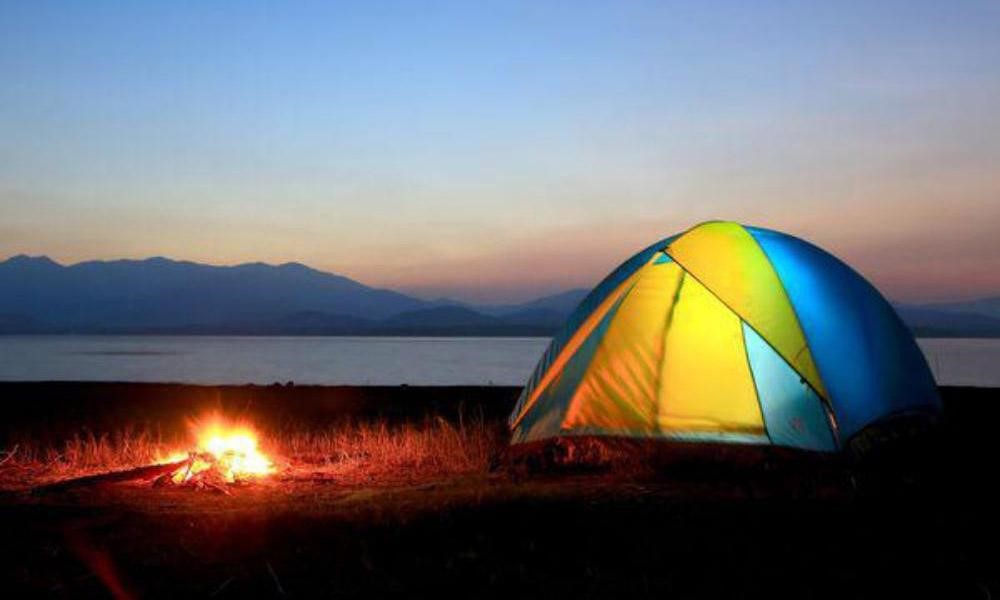
Setting up a tent by Arthur Lake is not about “roughing it” or performing some rugged ritual. It’s about re-learning how to spend time. About what it means to do nothing and still be deeply engaged. You cook over fire. You sit in a circle with people who become closer in silence than they ever could through conversation. You look up and see a night sky you forgot existed.
No city glow. No digital screens. Just starlight. And it’s overwhelming in the best possible way.
There’s a particular kind of fatigue that hits you here. You sleep not because the day ends, but because your body has spent itself meaningfully.
The Weather Factor: Expect No Favors
A quick word about weather. Bhandardara doesn’t care about your plans. Monsoons can flood trails and create slippery slopes. Summer can be hotter than expected. Winter nights bite if you’re not prepared.
But this unpredictability is part of the deal. It forces you to adapt, to adjust your pace and your mindset. And in that way, it reminds you that nature is not here for our entertainment. It’s here on its own terms. We’re the visitors.
What You Need (and What You Don’t)
You need:
- Sturdy shoes. Not the fashionable kind. The supportive, grippy, waterproof kind.
- Layers. Days can be warm, but nights drop fast.
- A good sleeping bag. A decent tent. A torch that won’t fail on you.
- A power bank (if you must use your phone).
- Water bottles. And a way to purify stream water, just in case.
- A willingness to be a little uncomfortable.
You don’t need:
- A packed itinerary. Bhandardara doesn’t reward tight schedules.
- Loud speakers. This isn’t a music festival.
- Social media updates. There’s no signal. And that’s the point.
- Fear of silence.
The Emotional Aftertaste
Most places fade from memory the moment you get back. Bhandardara doesn’t. Because it’s not about dramatic scenery or curated experiences. It’s about mood. About texture. About something slower and deeper that settles into your body long after you’ve returned to your usual life.
You’ll find yourself thinking about the mist curling around the hills at dawn. About the sound of tent zippers and shared laughter. About how the stars looked when no one was talking.
You won’t want to rush back. But when life starts to speed up again, you’ll crave the pause. And you’ll know where to find it.
A Few Final Words
In a time where nature is often filtered through screens, Bhandardara gives you something unfiltered. Something raw. It reminds you that adventure doesn’t have to be extreme. Sometimes, it just has to be honest.
If you’re going, go fully. Show up with your senses open and your expectations lowered. You’re not there to conquer anything. You’re there to witness.
Let the trees do the talking. Let the silence hold you. And let the trek reshape not just your legs, but your perspective.
Because in the end, Bhandardara doesn’t offer an escape. It offers a return. To something older, quieter, and far more real.

